The Sporty Elf: A Designer's Take on Holiday Embroidery
When I first opened the digital file for The Sporty Elf, my immediate reaction wasn't about the festive cheer, but rather the potential of the silhouette. As someone who spends hours evaluating embroidery files for client work and personal craft projects, I look past the cute factor to see how a design will actually behave under the needle. This isn't just another generic holiday graphic; it carries a specific energy that suggests movement and playfulness. For those of us in the Crafts and Graphics sectors, finding a design that balances whimsy with structural integrity is crucial before we ever load a spool of thread.
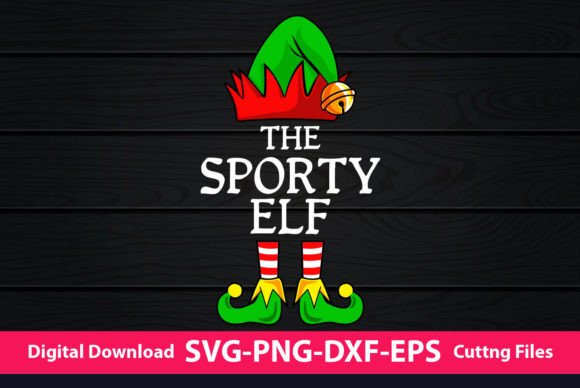
The mood this design creates is distinctively modern holiday. It moves away from the traditional, static Santa figures and leans into a character that feels ready for action. The layout is compact enough to fit comfortably on smaller items but detailed enough to hold attention when scaled up. When I imagine this as an actual embroidery project, the first thing I consider is the visual personality. Does it feel like a mass-produced sticker or a handcrafted piece? The Sporty Elf manages to walk that line well, offering a vibe that appeals to both hobbyists looking for a fun gift and small business owners needing fresh inventory for their Etsy listings.
From Digital File to Finished Product
Let's talk about real-world application. I recently considered using this design for a custom embroidered tote bag intended as a boutique product for a local holiday market. My thought process went straight to the stitch density and how the design would interact with the canvas fabric. In this scenario, The Sporty Elf performs admirably because its lines are relatively clean. There are no overly intricate lace-like details that might get lost in the weave of a sturdy tote bag material.
However, the devil is always in the details. If you plan to use this as a custom apparel item, such as a sweatshirt or a baby onesie, the transition between different stitch types becomes critical. The design likely utilizes a mix of satin stitch for outlines and fill stitch for the body. On a thick cotton sweatshirt, this combination usually yields a crisp, raised texture that customers love. But if you attempt to place this on a thin, stretchy fabric without proper stabilization, the puckering could ruin the "sporty" aesthetic, making the elf look distorted rather than dynamic.
I also ran a mental simulation for a personalized gift scenario: a set of matching kitchen towels. Here, the design's playful nature shines. A sporty elf motif fits perfectly in a modern farmhouse kitchen setting. The contrast between the festive theme and the athletic pose creates a conversation starter. For an Etsy seller, this kind of unique angle can significantly boost buyer engagement. People don't just buy a towel; they buy the story behind the image. The Sporty Elf tells a story of holiday prep that is active and fun, which resonates more deeply than a standard Christmas scene.
Where to Exercise Caution
While the design has strong appeal, a professional review must address where it might stumble. One area of concern is the placement on curved surfaces like caps or hats. The curvature of a baseball cap can distort the proportions of a character design if not digitized specifically for that shape. If The Sporty Elf was created primarily as a flat vector for cutting machines, transferring it to a curved surface requires careful re-digitizing or at least significant testing.
Another critical consideration is the size of the hoop. Small hoop sizes often force designers to simplify details, which can result in a loss of definition. If you are aiming for a tiny embroidered patch or a delicate accent on a baby's hat, you need to verify that the fine lines in The Sporty Elf will remain visible after stitching. Dense stitch areas can sometimes create a stiff, uncomfortable feel, especially on garments worn close to the skin. Before committing to a batch production for a commercial embroidery order, I strongly advise testing the design on scrap fabric to ensure the thread colors provide enough contrast against your chosen background.
Dark fabrics present another challenge. If you intend to embroider this on black or navy material, you must ensure the design includes a sufficient underlay or a contrasting thread palette to prevent the colors from disappearing into the fabric. Without the right setup, the "sporty" elements might blend together, losing the visual pop that makes the design effective. Always check whether the file supports color separation effectively if you are planning to use multiple thread colors to highlight the elf's gear.
Practical Notes for the Design Reviewer
Before you rush to start your next handmade product line, there are several technical steps you must take. First, test the design on scrap fabric. This is non-negotiable. You need to see how the stitch density affects the fabric's drape and how the threads lay down. Second, inspect the small details. Are there any tiny corners or thin lines that might break during the stitching process? Third, confirm your hoop size matches the design dimensions to avoid unnecessary resizing that can alter the aspect ratio.
If you are a small shop product creator, you should also review the licensing terms carefully. Even though this is a digital file, selling finished items made from it may require a commercial license. Make sure you understand the rules regarding digital embroidery file usage versus physical goods. Additionally, compare light and dark fabric backgrounds in your mockups. A design that looks vibrant on white might appear muddy on gray. Using a stabilizer appropriate for your fabric weight is essential to maintain the structural integrity of The Sporty Elf.
For those creating printable mockups to showcase your services, remember that the final look depends heavily on the thread selection. Experimenting with metallic or variegated threads could elevate the design, but it also increases the risk of tangling or breakage. Start with standard polyester threads to gauge the baseline performance. If the design works well in black and white mockups, it will likely translate well to color once you finalize your thread choices.
Final Thoughts on Visual Appeal and Value
In the end, the success of The Sporty Elf as an embroidery design comes down to execution. It has the potential to be a standout piece in a collection of holiday embroidery items. Its unique theme allows for creative branding opportunities, from boutique labels to personalized gifts. When done correctly, it adds a layer of professionalism and thoughtfulness to your work that customers appreciate.
It builds trust because it shows you have put effort into selecting high-quality assets. It enhances brand consistency by offering a cohesive look across different products, whether they are tote bag designs, sweatshirt embroidery, or nursery decor. However, this value is only realized if the technical aspects of the stitching are flawless. By treating this file with the same rigor as any other professional asset, checking every variable from thread tension to fabric choice, you ensure that the final product reflects the quality of your craft.
Whether you are a seasoned designer or a new maker exploring the world of embroidery files, The Sporty Elf offers a versatile canvas for creativity. Just remember to respect the technical limitations of the medium. Test thoroughly, plan your materials, and let the design do the heavy lifting in creating memorable, handmade treasures.